Tsarigrad
The Eastern Capital
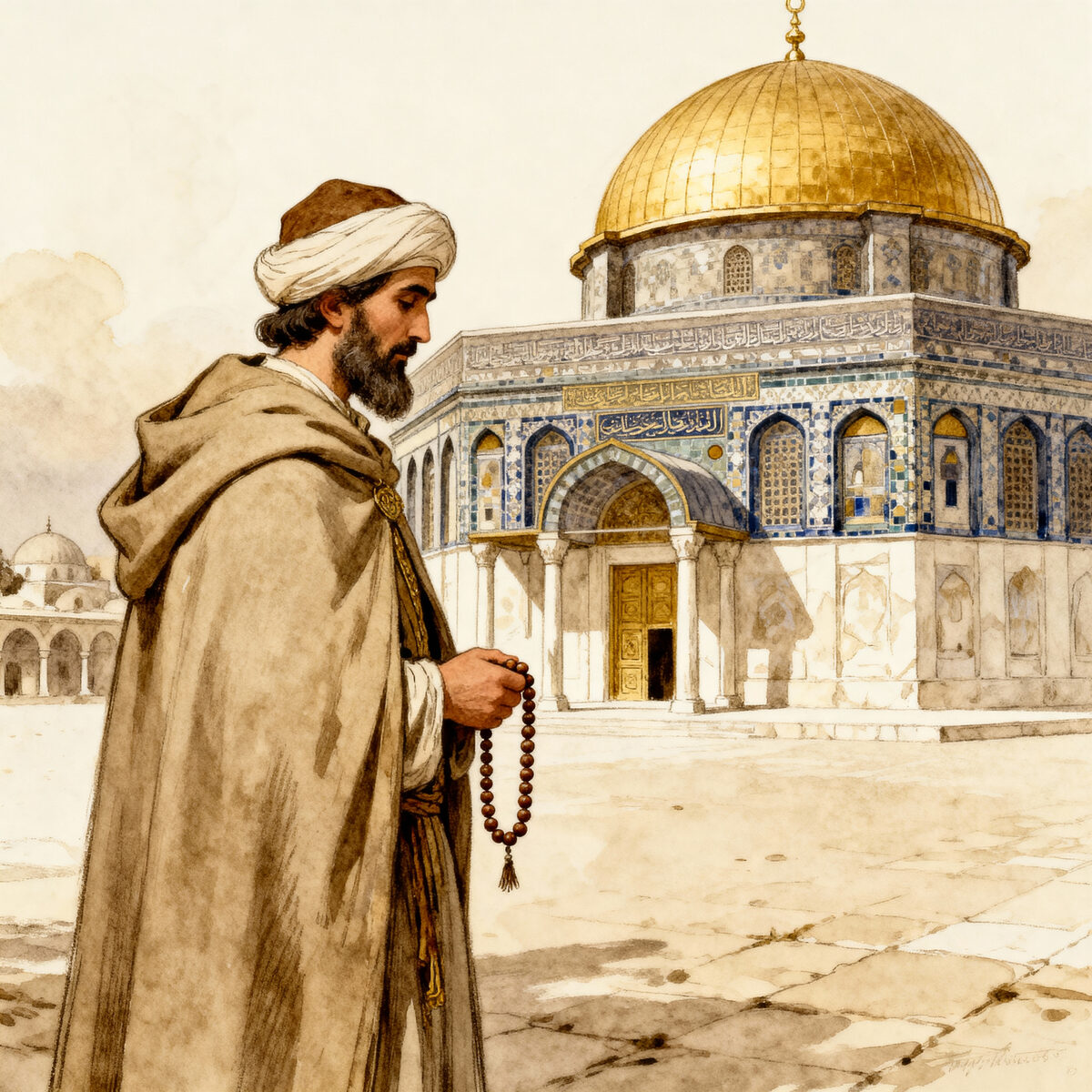
Tsarigrad is the eastern capital of Valdara and, with Karlingrad in the west, one of the kingdom’s twin seats of power. The emperors of Basileia built it as their imperial seat, and when Basileia joined Neustria two centuries ago to form Valdara, Tsarigrad carried its centuries with it. The Faith’s theology was settled here, written in Romaic in the basilicas whose mosaics still cover the chambers where the doctrines were debated. The libraries hold the world’s classical learning — astronomy and medicine in the front, astrology and alchemy in the archives. The harbours work the silk routes and the spice trade that have made the city wealthy. The cataphracts have not ridden out through these gates in two centuries.
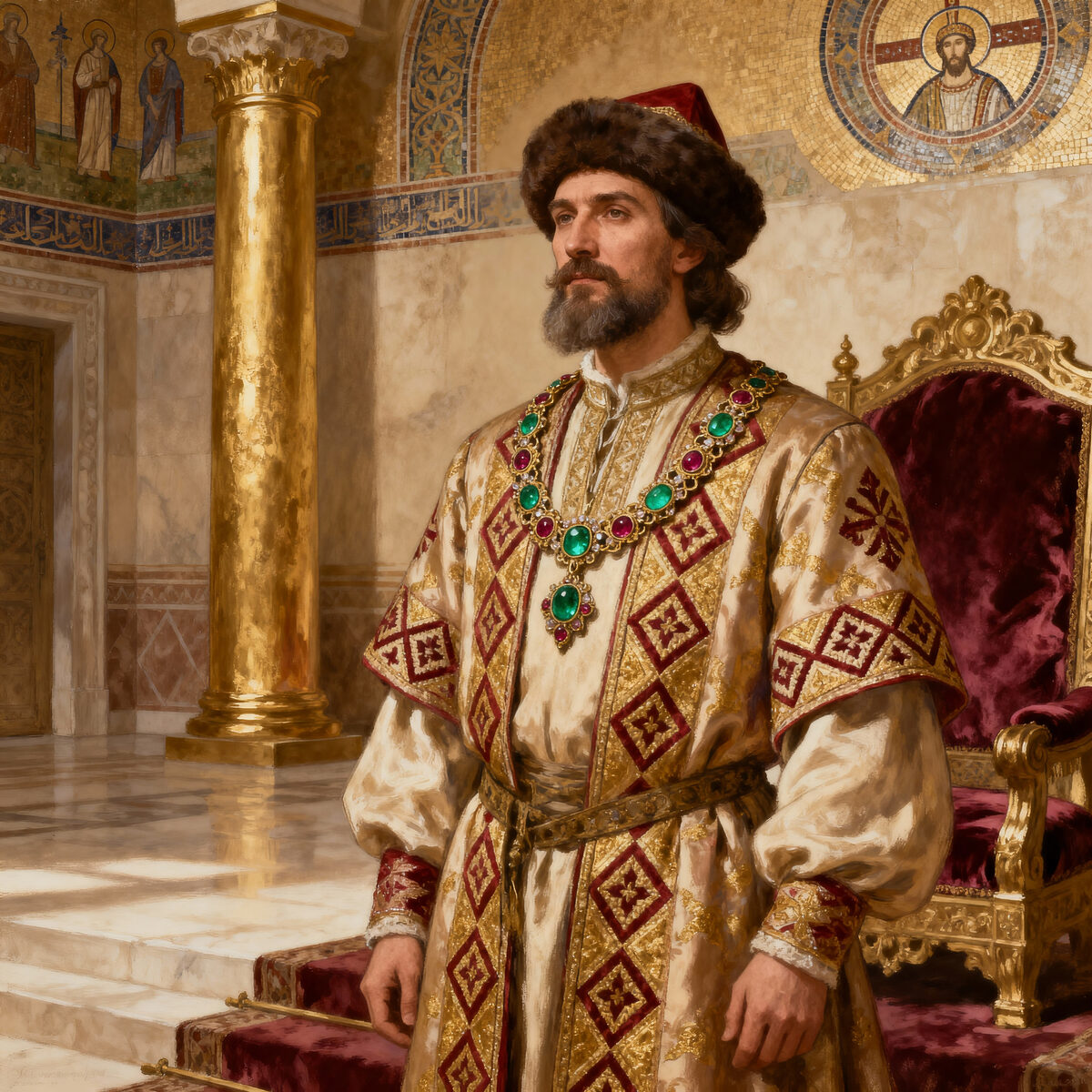
Gold mosaic ceilings, marble corridors, and a cathedral dome so large it changed what people thought architecture could do. A city built for emperors that now processes paperwork, where the bazaar smells like saffron and cinnamon and the clerks speak six languages and the merchants who serve them speak four more. Olive-skinned and sharp-eyed, dressed in dark formal coats over silk-lined vests and white collars, the kind of people who can quote theology in Romaic over breakfast and calculate your tax assessment in Franconian before lunch. The tea is strong, the bureaucracy is stronger, and the mosaics on the ceiling are watching you fill out the form.
The light in Tsarigrad arrives bathed in gold: through the mosaic ceilings where emperors and saints stare down from tesserae, through the coloured glass of basilicas, and through the morning haze off the strait that turns the whole waterfront the colour of a painting somebody started and nobody has finished.
Your place in Tsarigrad society was decided at your birth. Your father was a clerk in the harbour office, copying permits and tallying grain allocations. Your mother was a debutante from one of the great houses on the strait, presented to society at sixteen. Your family has served in the army since the cataphracts, but you earned medals for improvement projects, not glory or honor.
The Arzawan soil lies underneath the Valdaran pavement. The old quarters predate the Faith. The streets do not run straight. The candle-seller at the basilica door knows both names for the saint. The fishermen still make the same gestures before the boats go out. In the older basilicas, the original mosaics were plastered over during the doctrinal revisions. The plaster is cracking, and the older faces are showing through.
Ancient Tsarigrad dreamers wrote field reports on Grimmloch, but now it’s called mythology. You were trained in the same libraries — the texts describe stars you can see but do not understand. The Ka Agorate’s House of Wisdom teaches you that astronomy isn’t a form of quaint divination, but rather is celestial architecture. The Order of the Verdant Shield still practices futuwwa and karam as a living tradition you only ever heard in akritika.
Reference Images
These images represent the visual direction for this region and were generated with OpenArt.
Grimmloch is an alternate reality — not a retelling of history. I have spent decades studying the stories of our own world so that each region feels grounded in something real, even when the fiction diverges. The map is not the territory. If I have, at any point, failed to honor the spirit of these cultures, please email me directly. I welcome the opportunity to address it.