Bretonia
An Alternate Britain
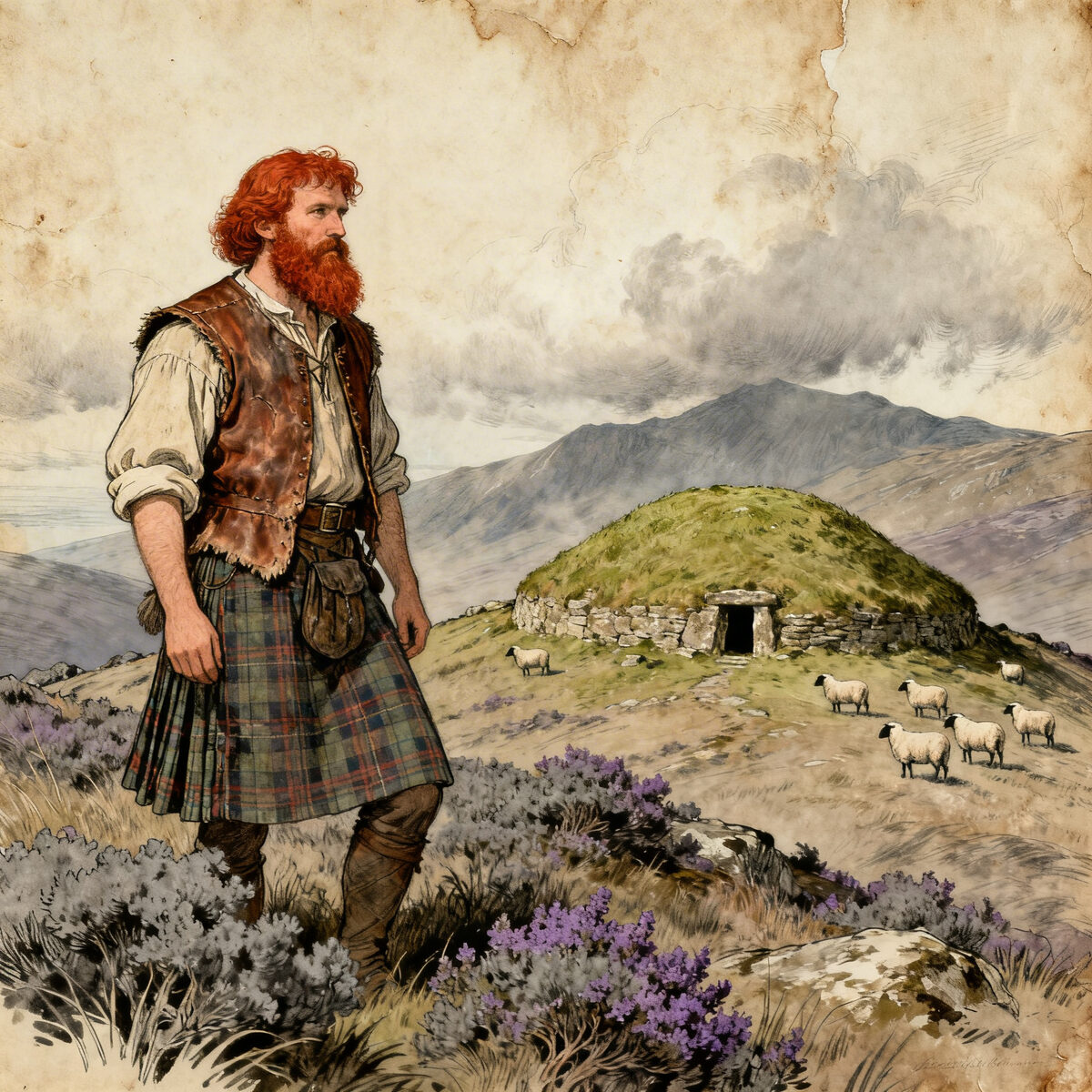
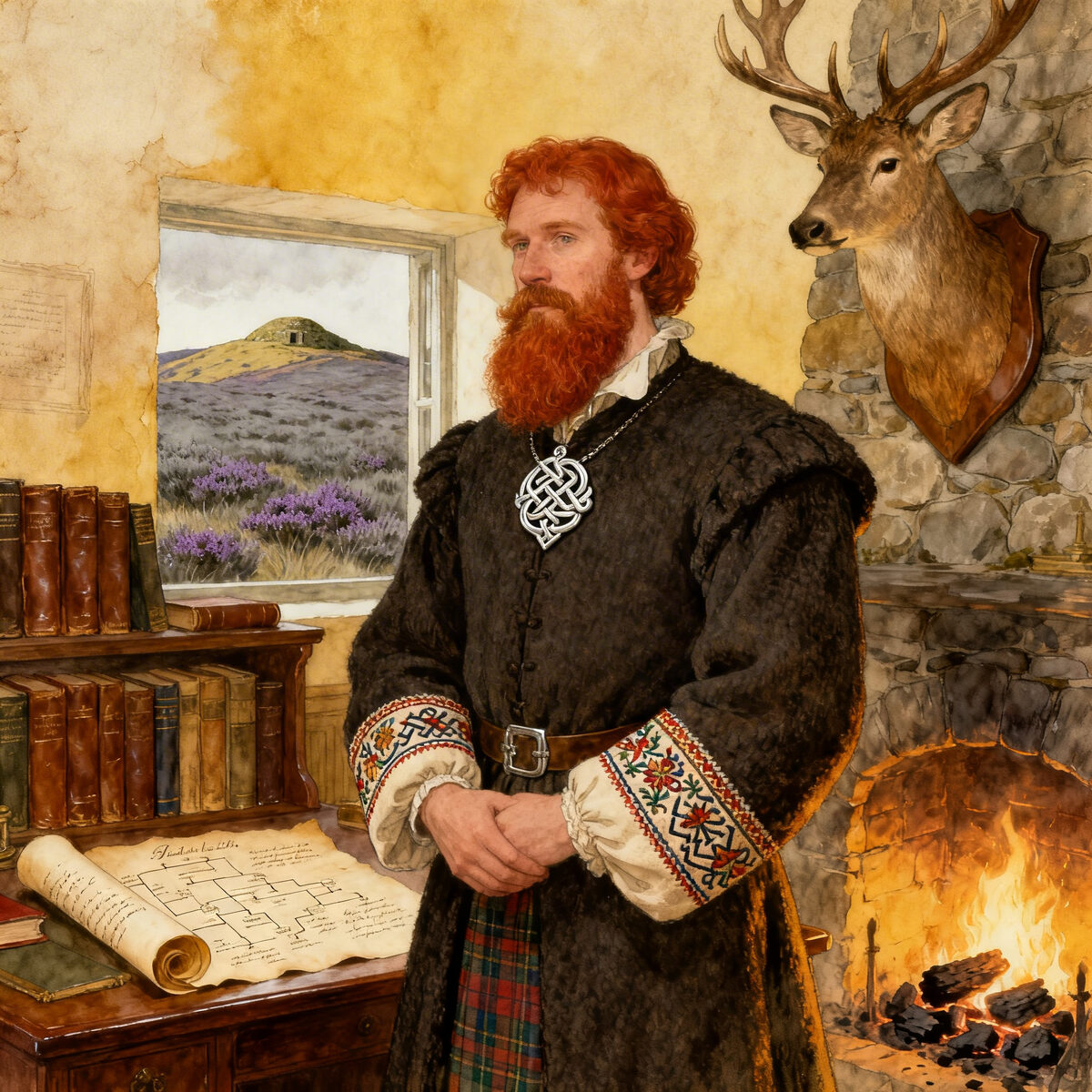
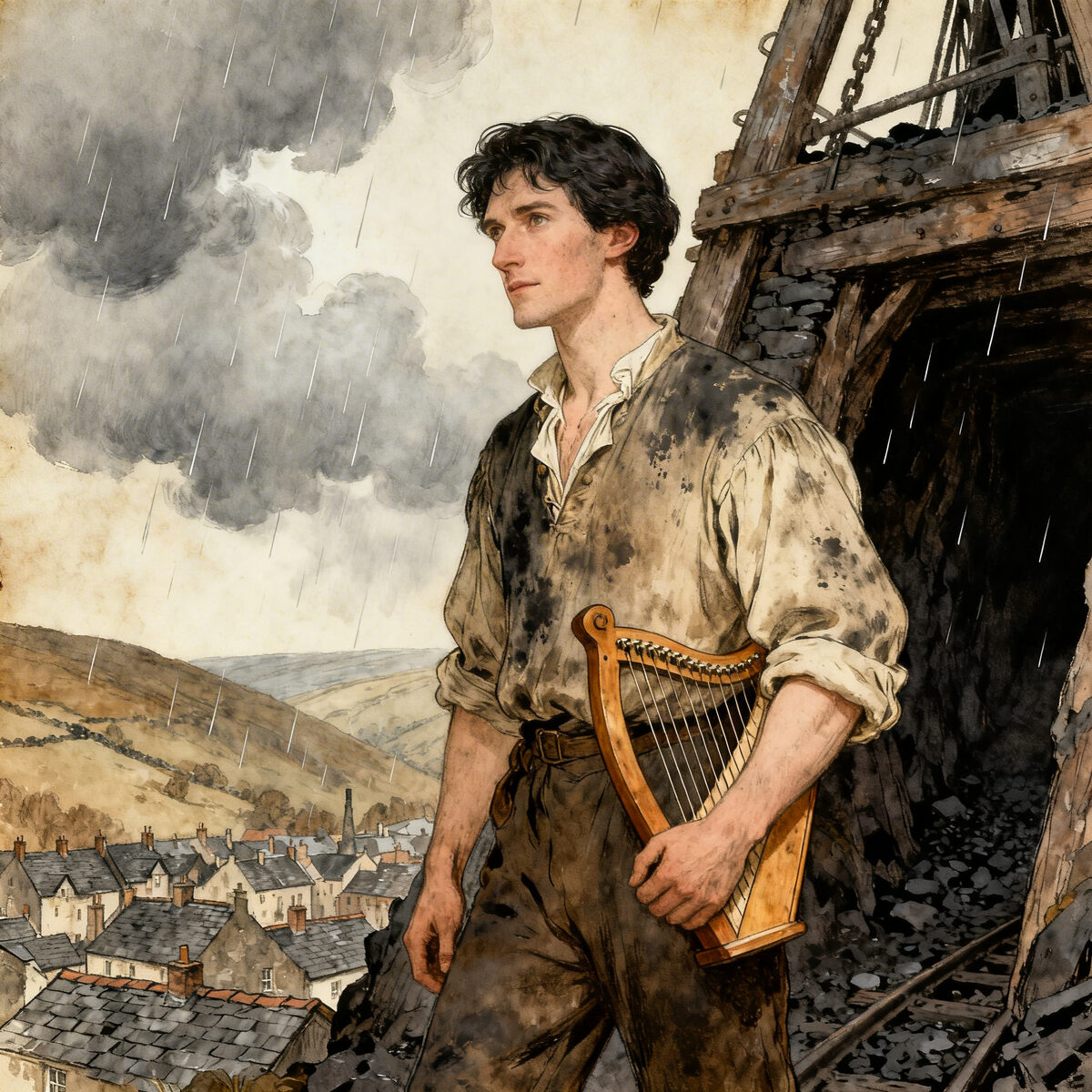
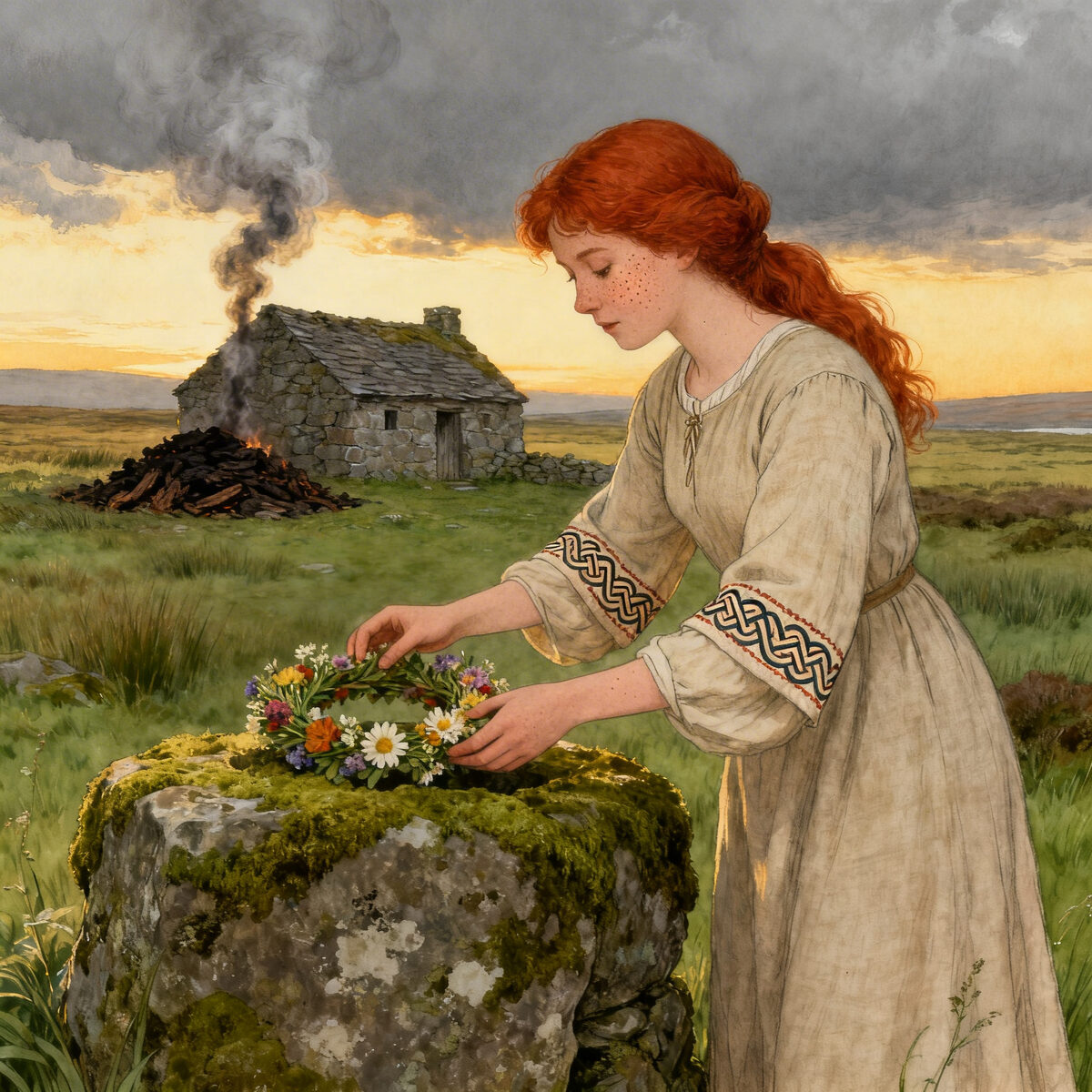
Bretonia is the island northwest of Gallia, with moors in the west, mining valleys in the south, and Highland ridges in the north. The Bretonians speak Anglian, Saxon, Gaelic, or Cambrian depending on which part of the island their grandparents farmed. Valdara administers the island from Karlingrad in Franconian. In Ierne, the grandmother still slips away at Bealtaine to tie yellow gorse to the hawthorn by the well-stone. The Cambrians compete in cynghanedd at the eisteddfodau. The Albanach wear tartan kilts of clans whose ancestors include Skanne settlers from Skania.
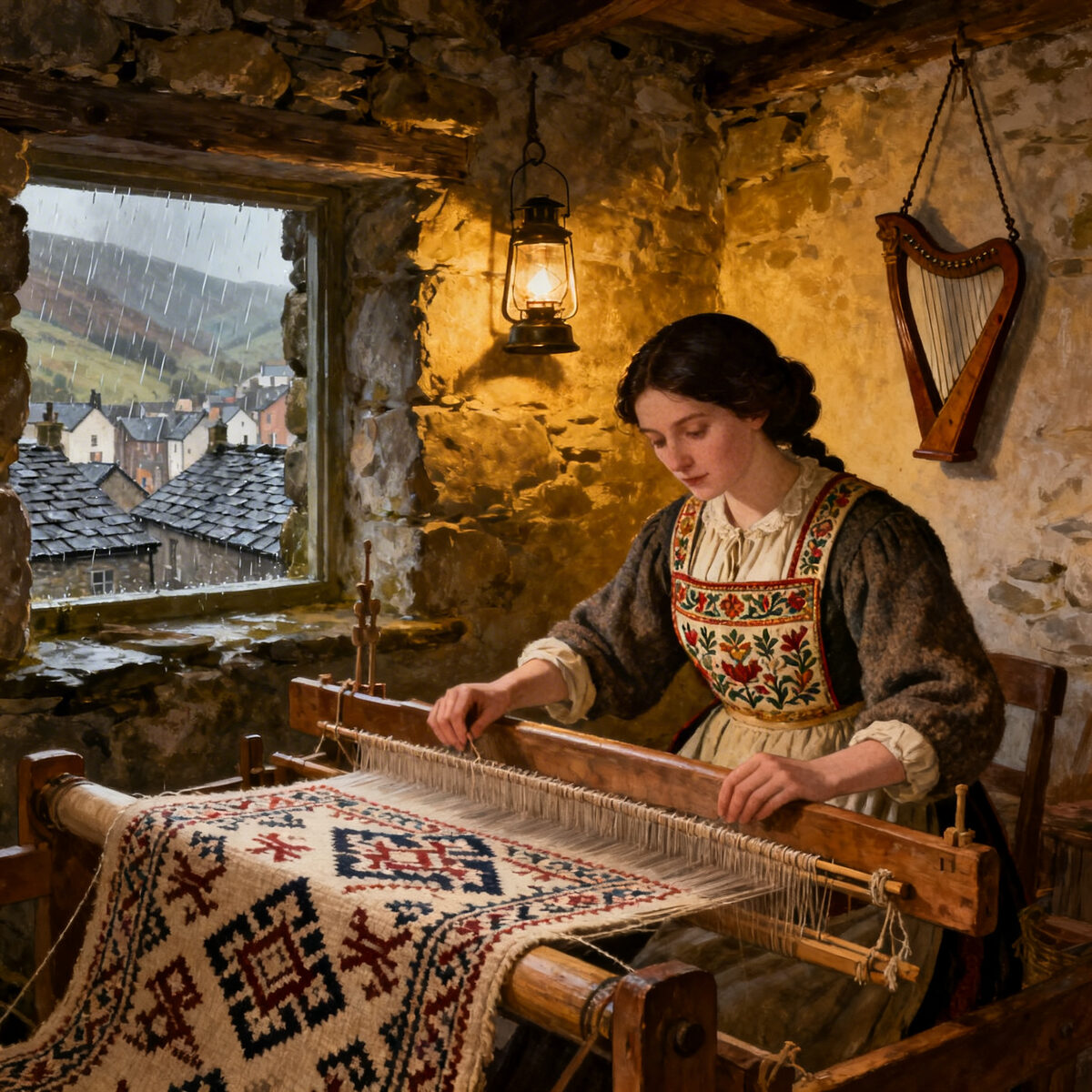
Peat smoke from the chimneys, salt air off the coast, sheep on the open hillsides. Thatched cottages and slate roofs, dry stone walls running between fields, pubs on the village greens, chapel halls where the voice choirs gather, Highland Pipes leading the funeral procession. Heavy Clò Mhor and indigo-dyed frieze on the working clothes. Tea brewed strong, oat-bread and cawl and boxty on the kitchen table, ale at the pub, whisky in the back room of the inn.
The Bretonian wake lasts three nights. The mourners sit up with the body in the front room and burn the candles until the third dawn. The eldest daughter pours the whiskey, the youngest son cuts the bread, and any cousin old enough to remember the deceased tells a story. The grandmother pinches a thread from the burial shroud and ties it to the iron of the kitchen latch before the family leaves for the churchyard.
The cunning woman lives at the edge of the village in a cottage with bunches of mugwort and rowan hanging from the rafters. The neighbors come to her with the children’s fevers, the cow gone dry, and the cousin’s three-day nosebleed. She rolls a witch bottle with iron pins and the patient’s hair and buries it under the patient’s threshold. She is paid in eggs, potatoes, or a half-day of labor in her garden.
On Samhain, the bonfires burn on every Bretonian hilltop until the dawn. The families bank their hearth fires low and gather at the bonfires to throw stones in for the dead they remember by name. The children wear masks of straw or cloth and go from cottage to cottage for soul-cake or apple. The doors are propped open for the night, and the chair at the kitchen table is set for one absent guest.
In Grimmloch the Aelfyn Sith’s Gentry hold their courts in the rath under the hill, and the courtesy your grandmother kept at Bealtaine is the correct protocol. The Dunraven Folk’s Dunfhir clan speaks Gaelic and reads the Ogham carved into the lintels, and the Aos Sí knows why your grandmother tied gorse to the hawthorn. The Aurelia Raed’s Silver Stag keeps the kind of account that matters to a Bretonian: that the oath sworn at the cromlech is binding.
Reference Images
These images represent the visual direction for this region and were generated with OpenArt.
Grimmloch is an alternate reality — not a retelling of history. I have spent decades studying the stories of our own world so that each region feels grounded in something real, even when the fiction diverges. The map is not the territory. If I have, at any point, failed to honor the spirit of these cultures, please email me directly. I welcome the opportunity to address it.