Hispania
An Alternate Iberian Peninsula
Hispania is the peninsular region south of Gallia, three coasts open to the Mesogeios and the western ocean and a mountain spine running through the middle. The Hispanians speak Castilian, Catalan, or Leonese depending on the valley they were born in, and the kingdoms that gave each language its weight are old enough that the borders are remembered without being marked. Hispania has been a frontier for so long the word has lost its meaning: every direction was once the edge of something, the Faith’s and the old kingdoms’ and the sea’s, and the place absorbed what crossed each edge — Numidian arches into the cathedrals, the laws of one old kingdom into the books of another, the trading words of the Mesogeios into every harbor town.
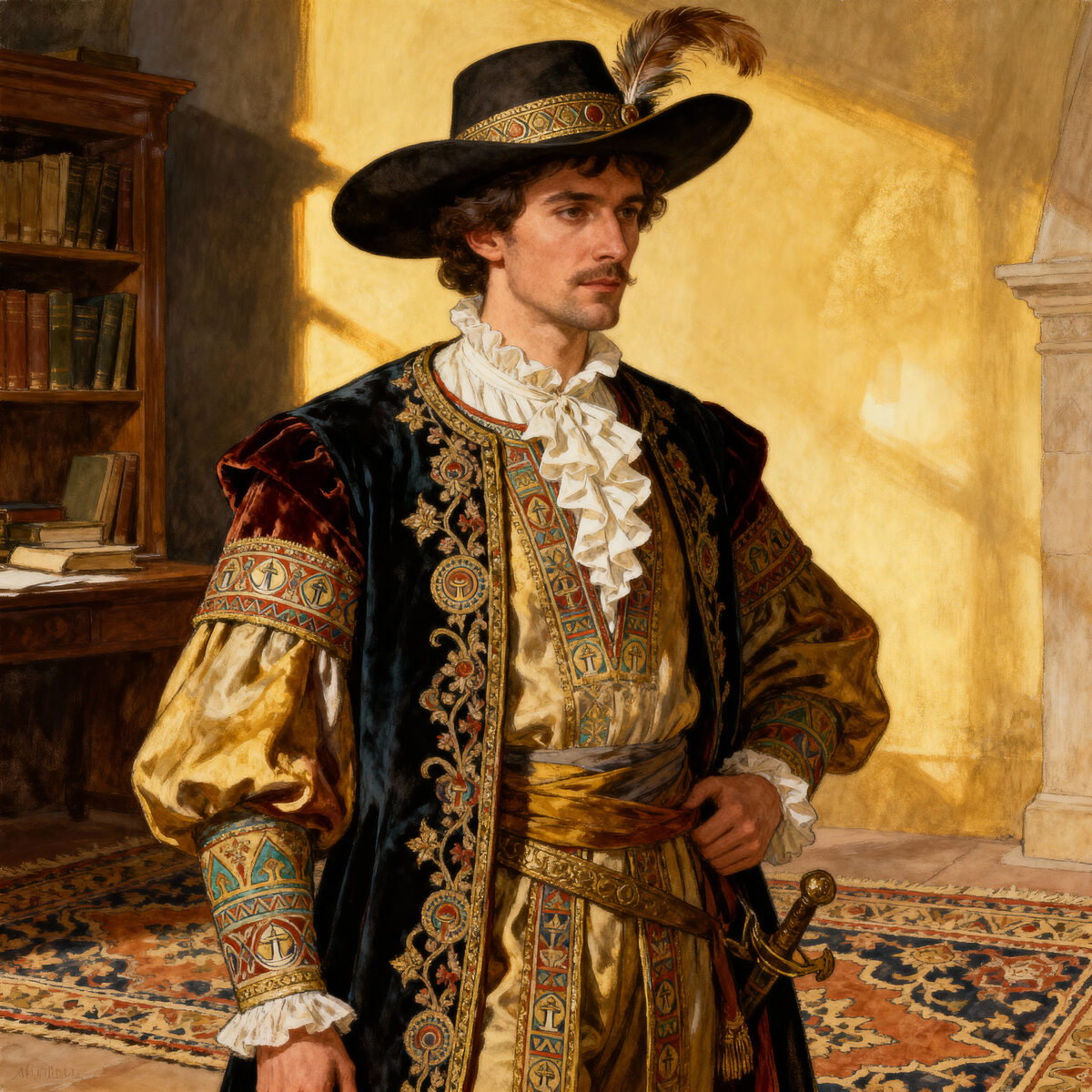
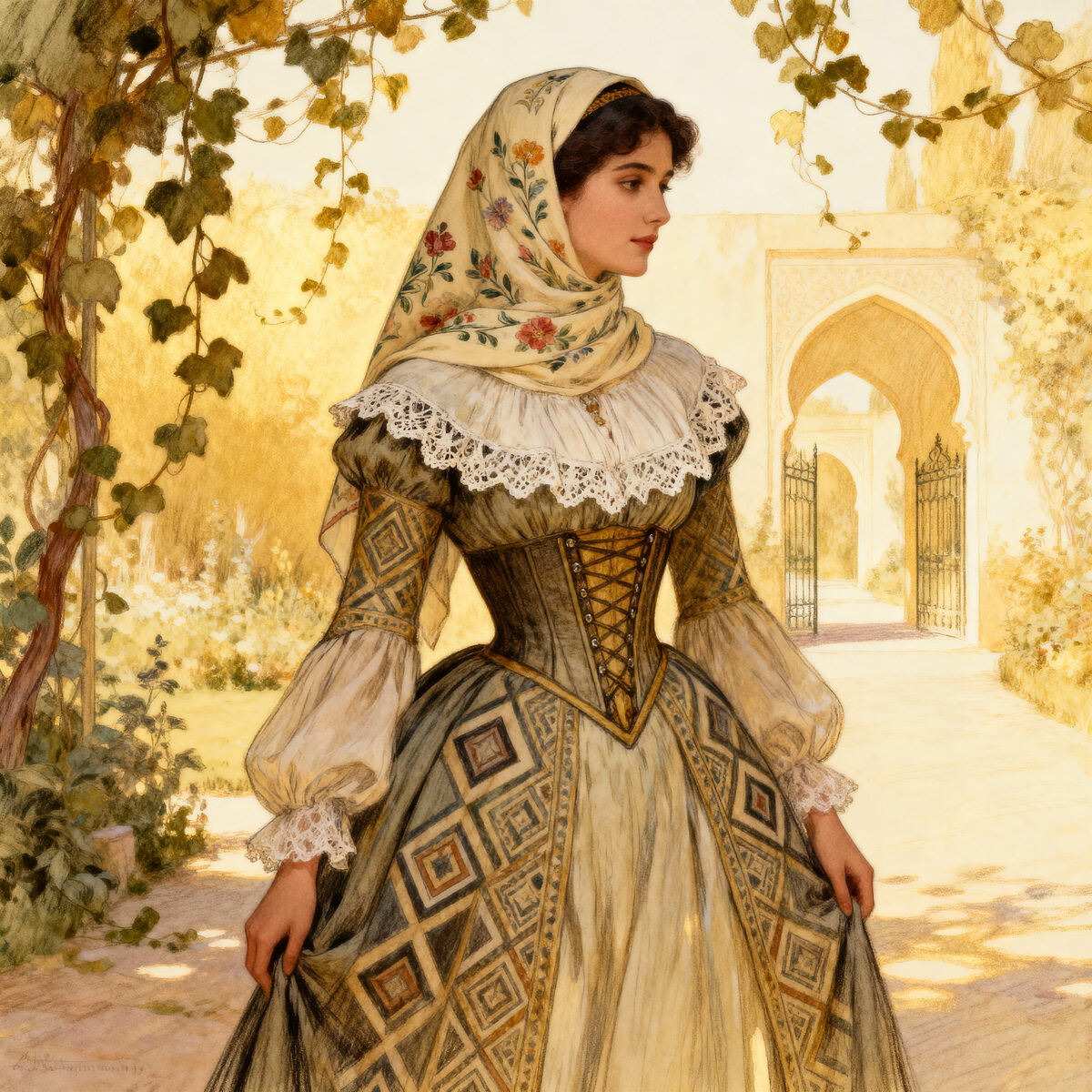
Sun-baked hills, olive groves on every south slope, watchtowers on every ridge, and whitewashed walls warm to the touch at the second hour past midnight. Proud and dark-eyed, dressed in formal blacks and deep browns even when the clothes are patched, the men bow deeply when introduced and the women wear lace mantillas to evening mass. The honor codes nobody outside the village recognizes are observed with a rigor that would exhaust a Valdaran clerk. The guitar comes out after dinner, and the argument about whose grandfather was more important will outlast the wine.
The duende is the thing the snap of a guitar string carries, or the break in a singer’s voice when the music carries what the words could not — beauty that knows it ends. It walks beside the religious processions on feast days, on the shoulders of the men carrying the heavy wooden floats through the dusty streets, and it is in the room when the señoras sing in the dusk.
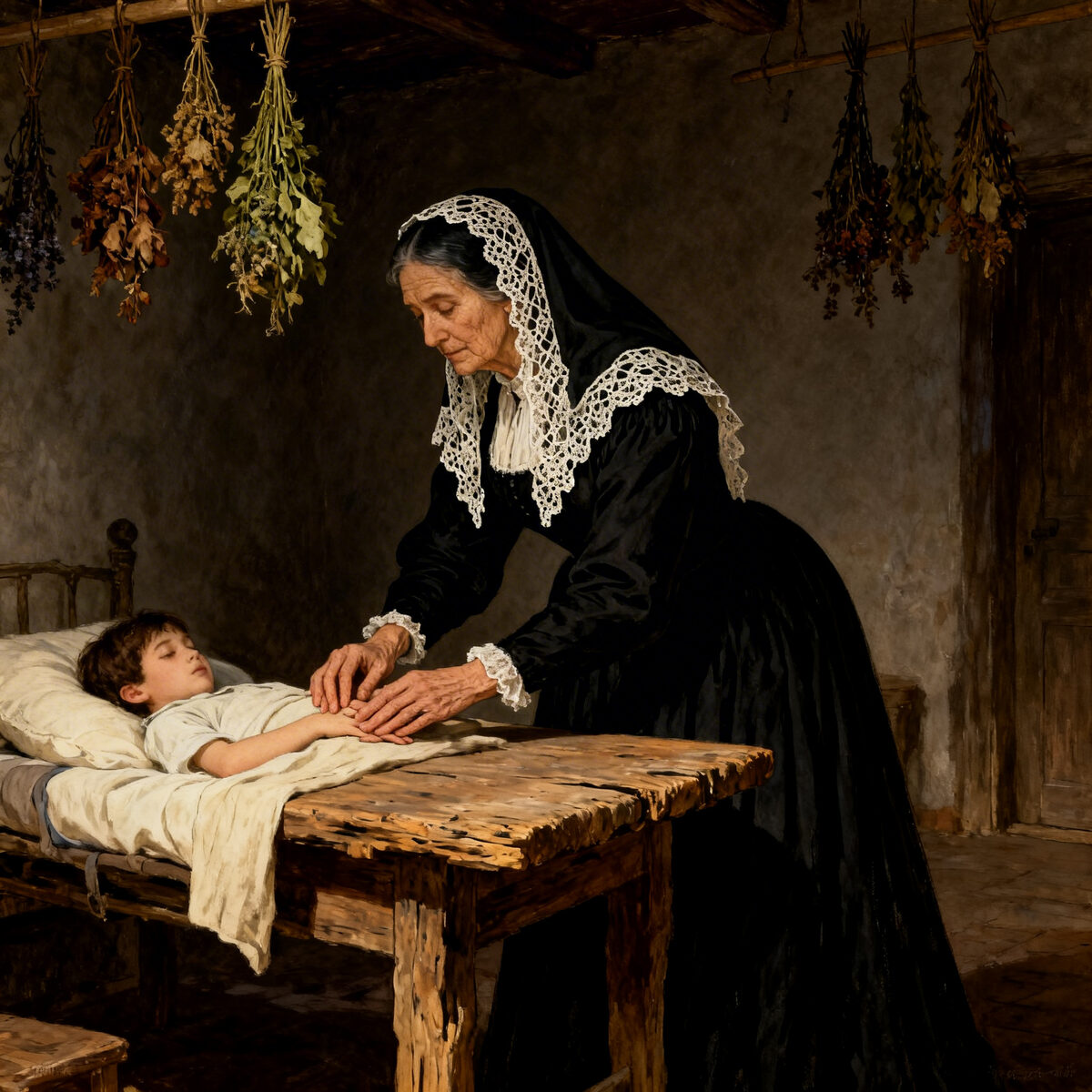
The santiguadora is the village’s silent anchor. She cures the mal de ojo with a bowl of water, three drops of olive oil, and words in a rhythm she learned from her aunt. She is clear-eyed about her Faith and also correct about the behavior of the oil. In the high hills, the mouras encantadas still wait by the standing stones. The hillock where a shepherd’s grandfather claimed to see one is given a wide berth on certain nights, because the acknowledgment costs nothing and the alternative is not worth finding out.
In Grimmloch Captain-General El Cid commands Kraken’s Bounty from the Shattered Quay, and the dueling grounds where words carry as much weight as steel. The Aelfyn Sith’s Unhallowed hold their courts at standing stones and forgotten crypts, and the moura of the high hills have been in the waking world since before you were born and the duende you have been hearing is the language they teach.
Reference Images
These images represent the visual direction for this region and were generated with OpenArt.
Grimmloch is an alternate reality — not a retelling of history. I have spent decades studying the stories of our own world so that each region feels grounded in something real, even when the fiction diverges. The map is not the territory. If I have, at any point, failed to honor the spirit of these cultures, please email me directly. I welcome the opportunity to address it.