Arya
An Alternate Persia
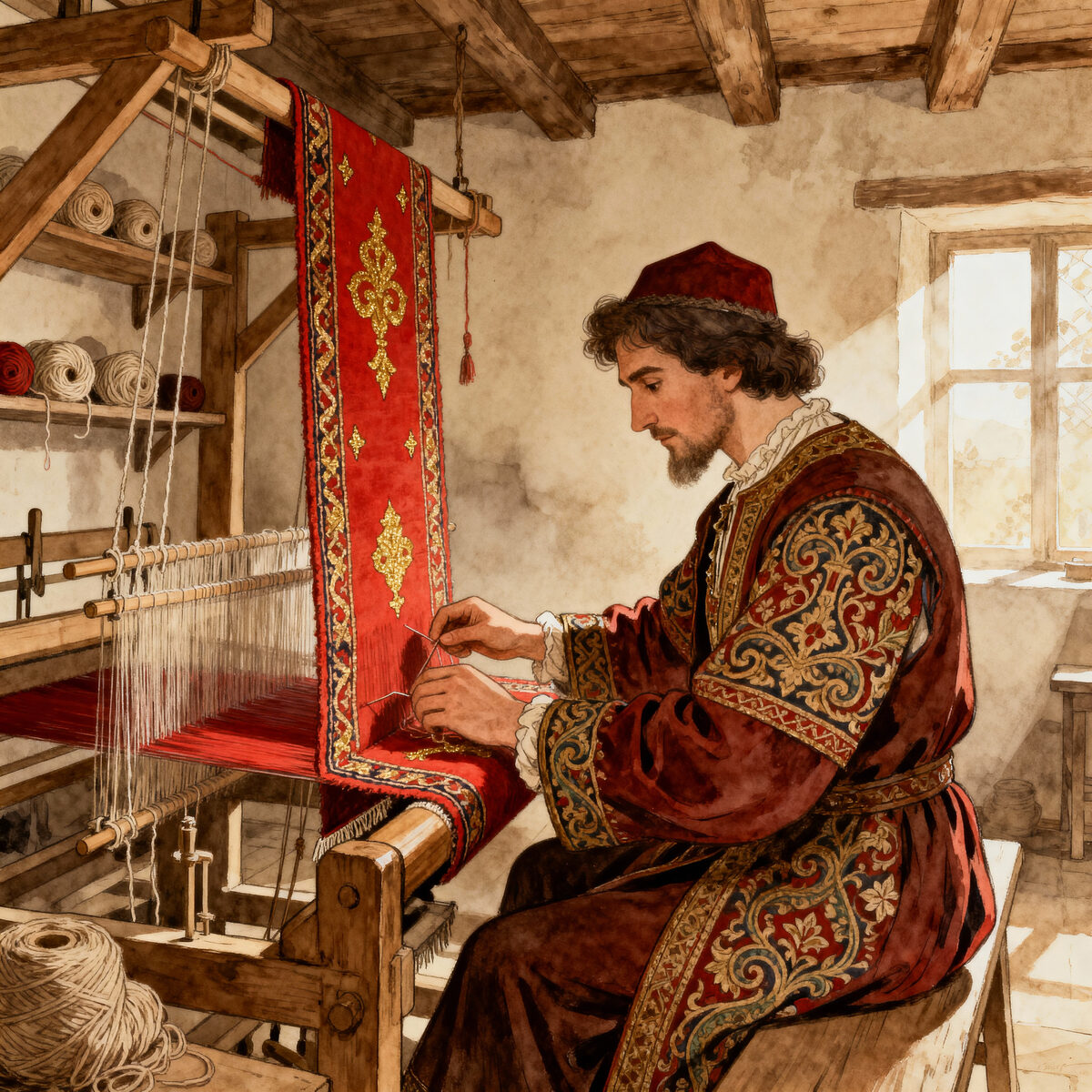
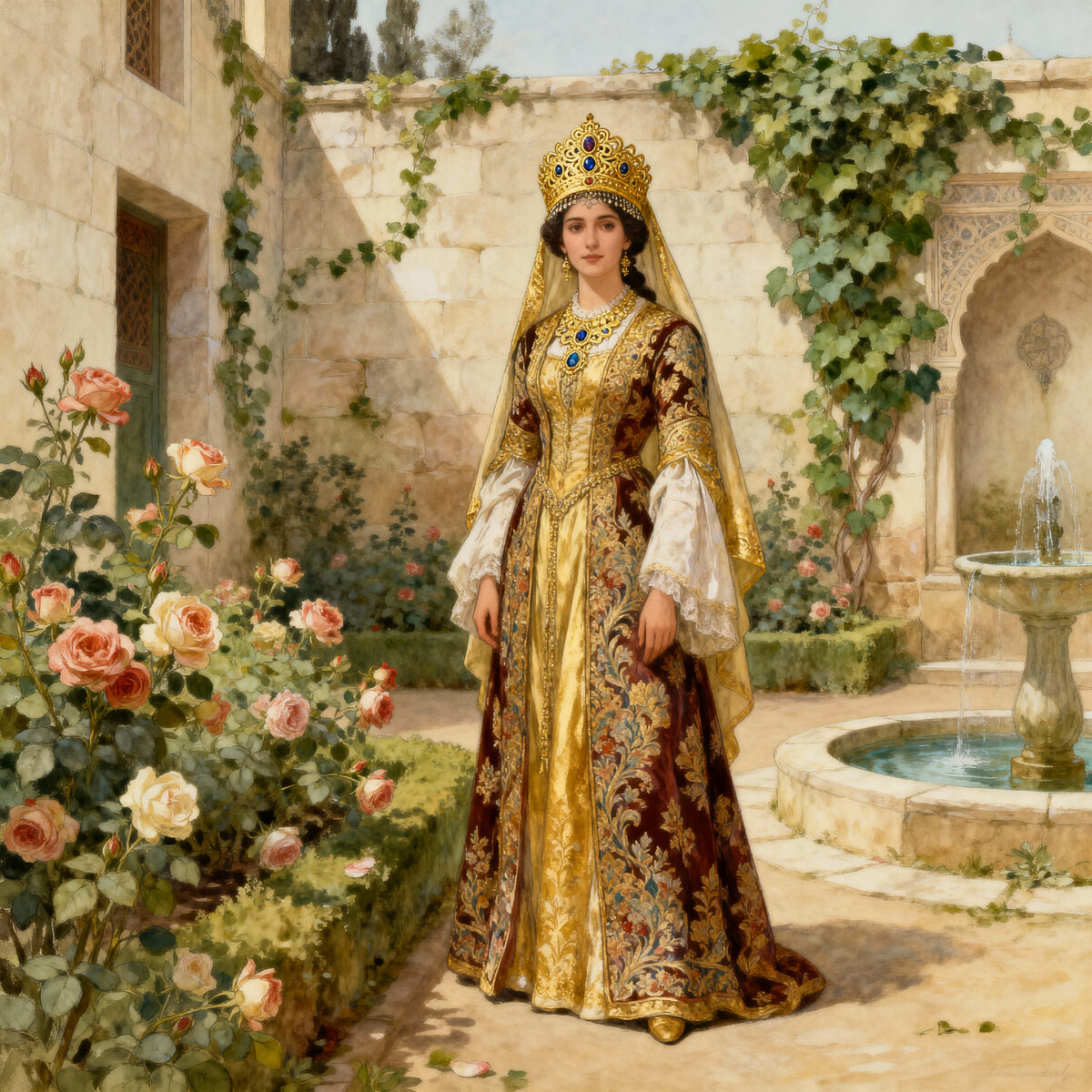
Carpets so dense they look like they contain mathematics, because they do - the Girih tiles on the mosque walls encode the same celestial geometry the astronomers mapped, and the Isfahan weavers knot it into silk with fingers that learned the ratios before they learned to read. Courtyards with fountains and arched shade where the heat cannot reach, pomegranates and saffron rice and tea brewed strong enough to wake the dead, which is not entirely a figure of speech here. Dark-eyed and unhurried, dressed in embroidered silks dyed madder-root red and lapis blue, turquoise tiles on every surface that catches the light. The poets here have been composing in the interlocking weight of the Rubaiyat and the epic meter of the Shahnameh for so long that the language shaped itself around the verse, and not the other way around.
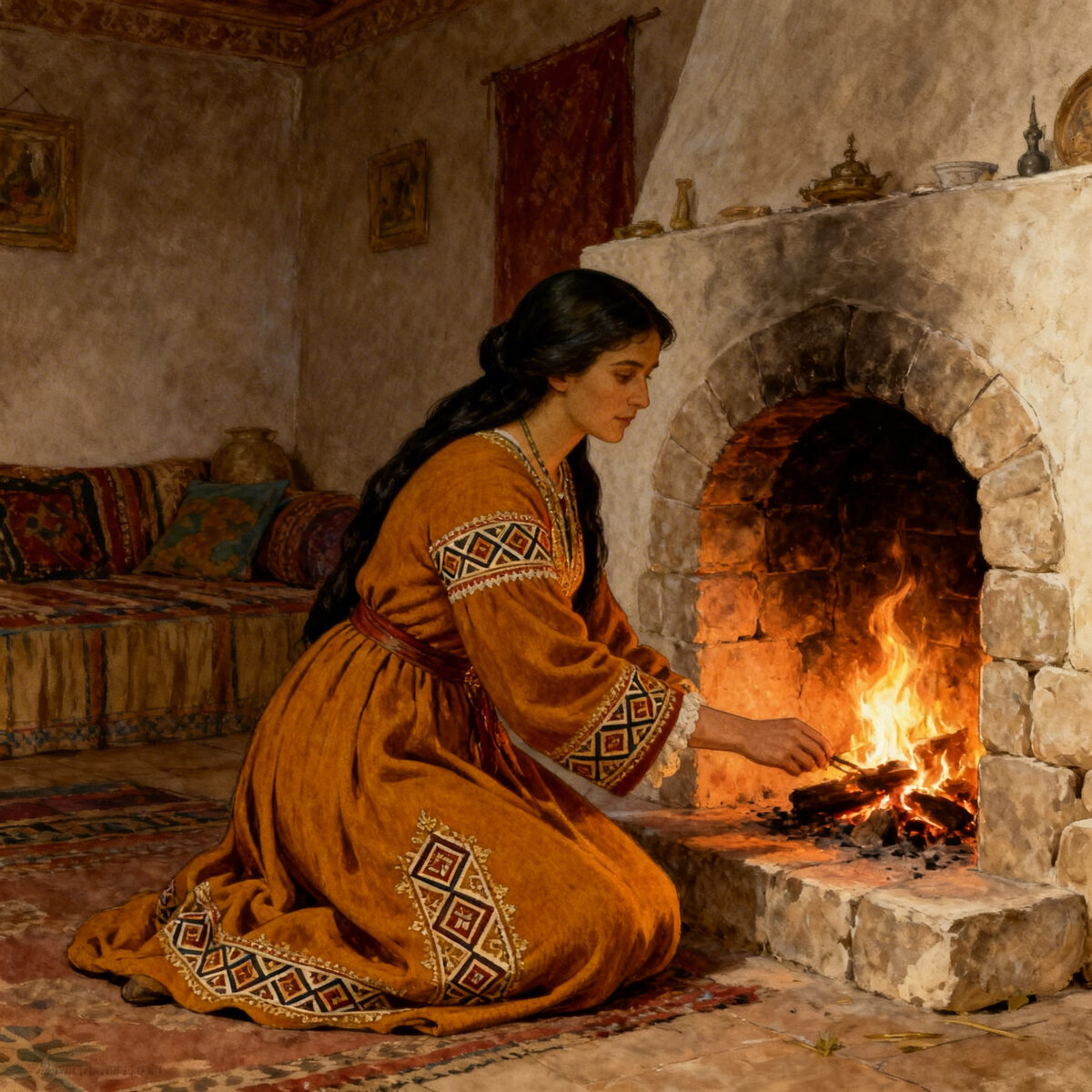
The fire has been burning in your family’s house for longer than anyone can remember to count, fed with sandalwood and dried pomegranate branches, and it has been tended by someone in your household for generations. At least it was, until the Faith declared the old practices superstition and the neighbors started watching. Your grandmother’s grandmother knew what the fire was for even if she never said it plainly, your grandmother knew what it was for even if she called it just a habit, and your mother knows what it is for and calls it nothing at all.
You come from a country that has been explaining itself to conquerors for a very long time. The Aryan people are old enough to have watched several complete civilizations rise, dominate, and become the rubble that later civilizations build on top of. You have a word in Pahlavi for the patience required to outlast an occupying culture - Sang-e Sabur, the stone of patience that absorbs grief until it shatters - and you do not translate it for outsiders because the translation always comes out wrong, and because the people who need to understand it already do.
The Faith came in the way most things come in Arya: with fire, with law, with genuine conviction, and with the complete certainty of people who believed they were bringing light to a place that already had fire. It converted what it could convert, and renamed what it could not; the yazata became saints, the sacred fires became candles in shrines, the old fire temples that the Faith left standing became churches, some of them keeping fires burning on the altars without anyone formally acknowledging what that meant.
What you know, that you were not precisely taught, is this: Ahura Mazda and Ahriman are active forces, not categories. Asha, the principle of right order and truth, operates in the world the way gravity operates in the world, whether or not you acknowledge it. The fravashi of your ancestors are presences that can be asked things if you ask correctly, and that will answer if you deserve an answer and know how to listen for one.
The magi who still practice the Good Religion in the old way, quietly, in homes with small fires and no announcements, will tell you that the world is a battleground between asha and druj, between truth and the lie. They do not speak in metaphors. They will show you how to read the flickering of the flame to see which way the wind of the Lie is blowing, and they will tell you that a man’s word is a physical tether that holds the world together, and that to break an oath is to tear a hole in the fabric of things. They say this the way a farmer tells you the soil needs turning in spring. It is simply how the world works.
You always suspected they were right.
The daeva are real here, and every magi who told you the world ran on rules the Polytechnic curriculum did not cover turns out to have been describing the actual architecture of things. The Ka Agorate’s House of Wisdom was built on the same principle of asha your family kept alive in the fire. The Asāsīyyūn have been hunting the daeva for a very long time, and your tradition of reading corruption in the behavior of the flame is a skill they have been looking for. Your fravashi came with you through the gate, and so did the fravashis of everyone who has ever crossed from Arya, reaching back almost as far as fire itself. The tending was always the right thing to do.
Reference Images
These images represent the visual direction for this region and were generated with OpenArt.
Grimmloch is an alternate reality — not a retelling of history. I have spent decades studying the stories of our own world so that each region feels grounded in something real, even when the fiction diverges. The map is not the territory. If I have, at any point, failed to honor the spirit of these cultures, please email me directly. I welcome the opportunity to address it.