Burgundia
An Alternate Burgundy
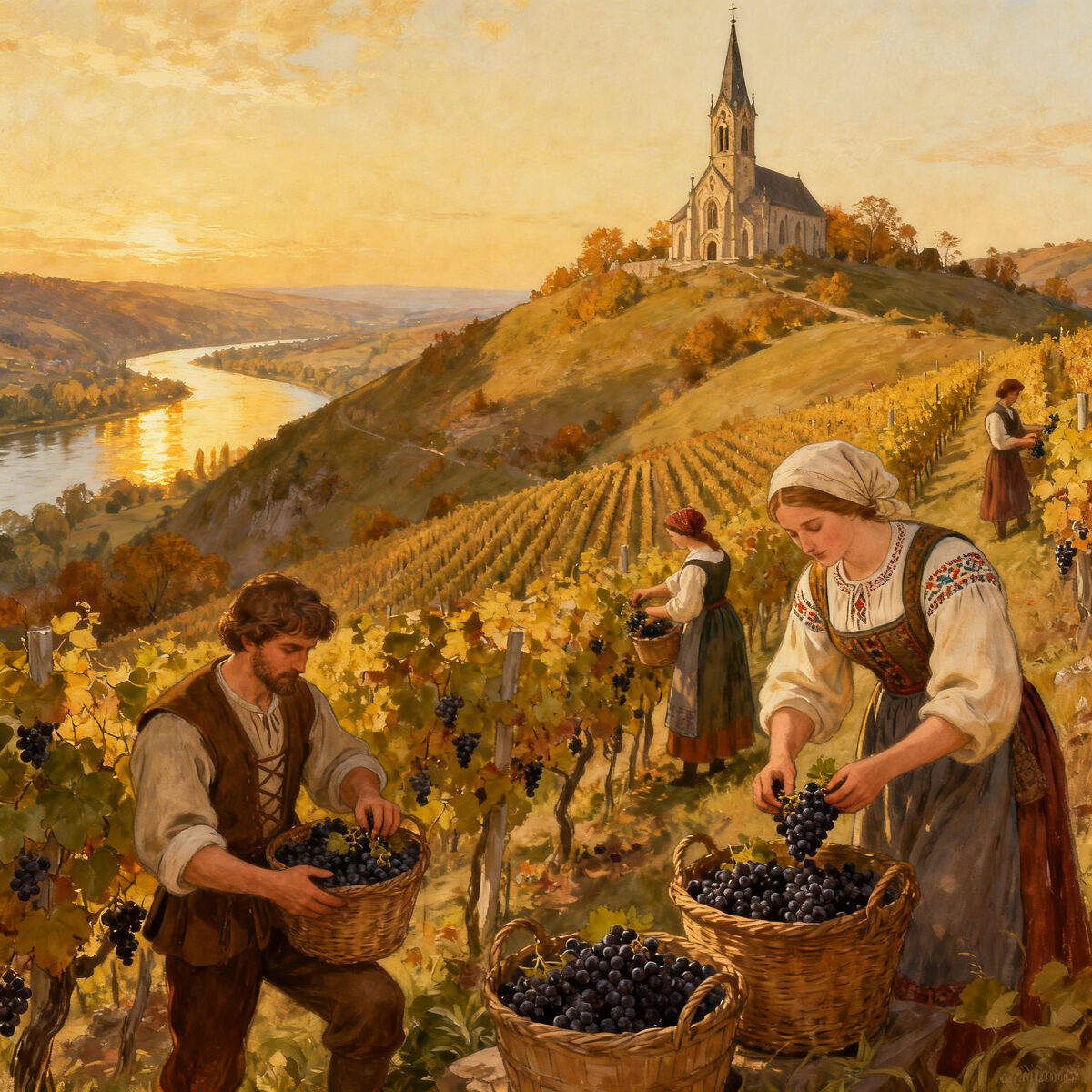
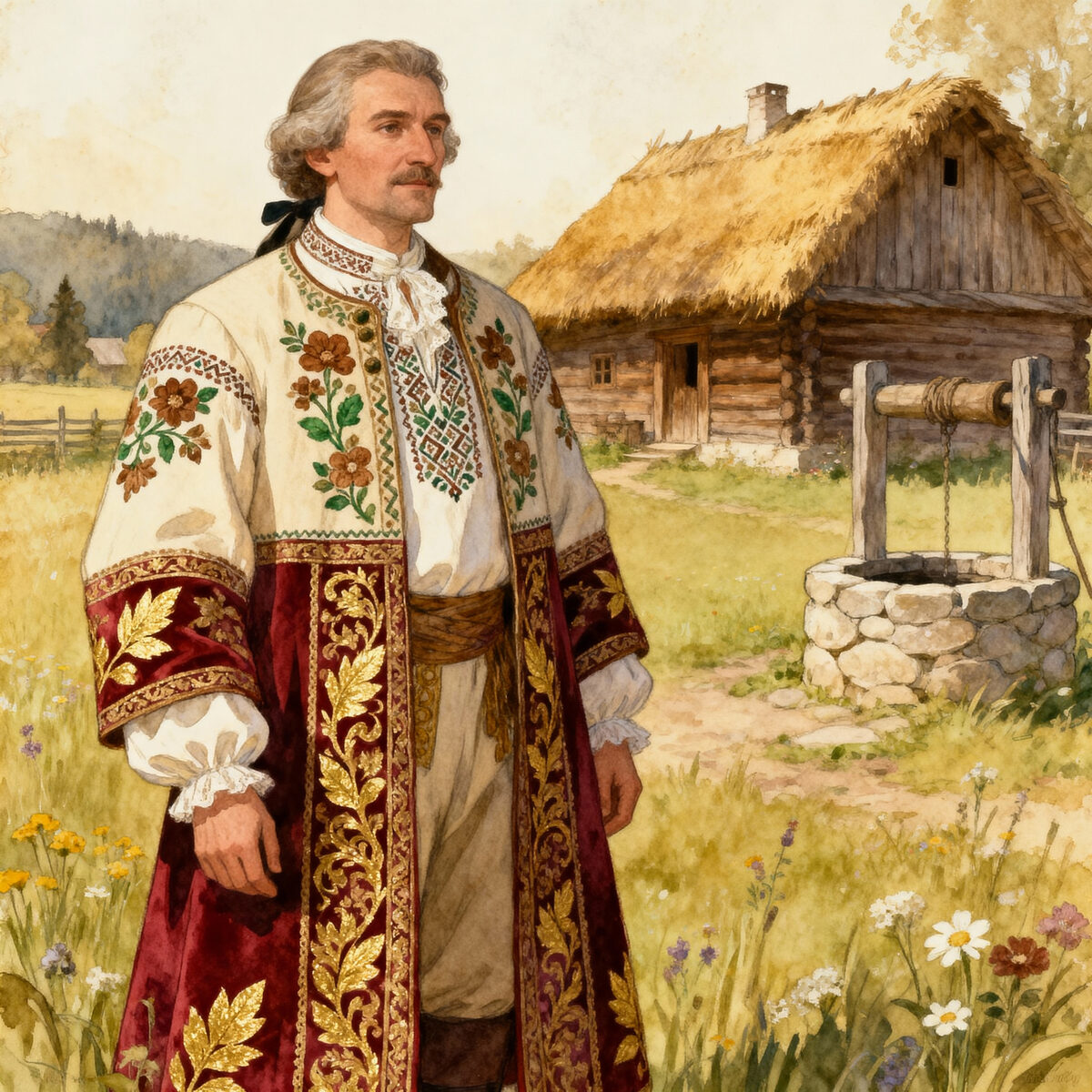
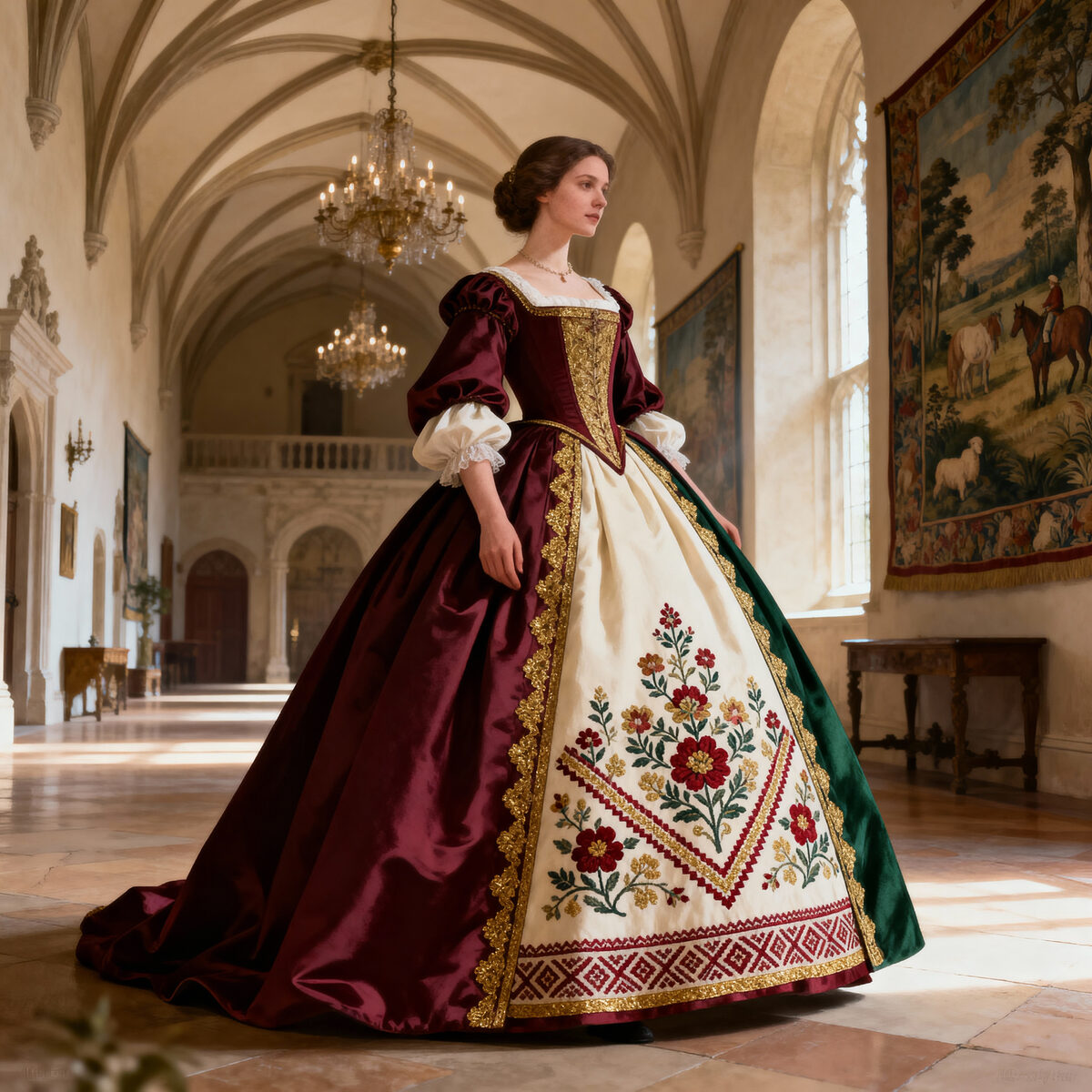
Burgundia is the region of river valleys and limestone slopes east of Gallia, where the Rín runs through wine country and the same families have worked the same vines for generations. The Burgundians speak Burgundian and trace their lineage to the tribes whose duchy once held the line between Neustria and Gallia and brokered every treaty. The ducal colors were purple and gold, and the people still wear them because the title was absorbed but the inheritance was not. The Nibelungenlied is the national epic and a case study in oaths and bloodline curses, and the gold the song says Hagen sank in the Rín is, by Burgundian consensus, still there and best left alone.
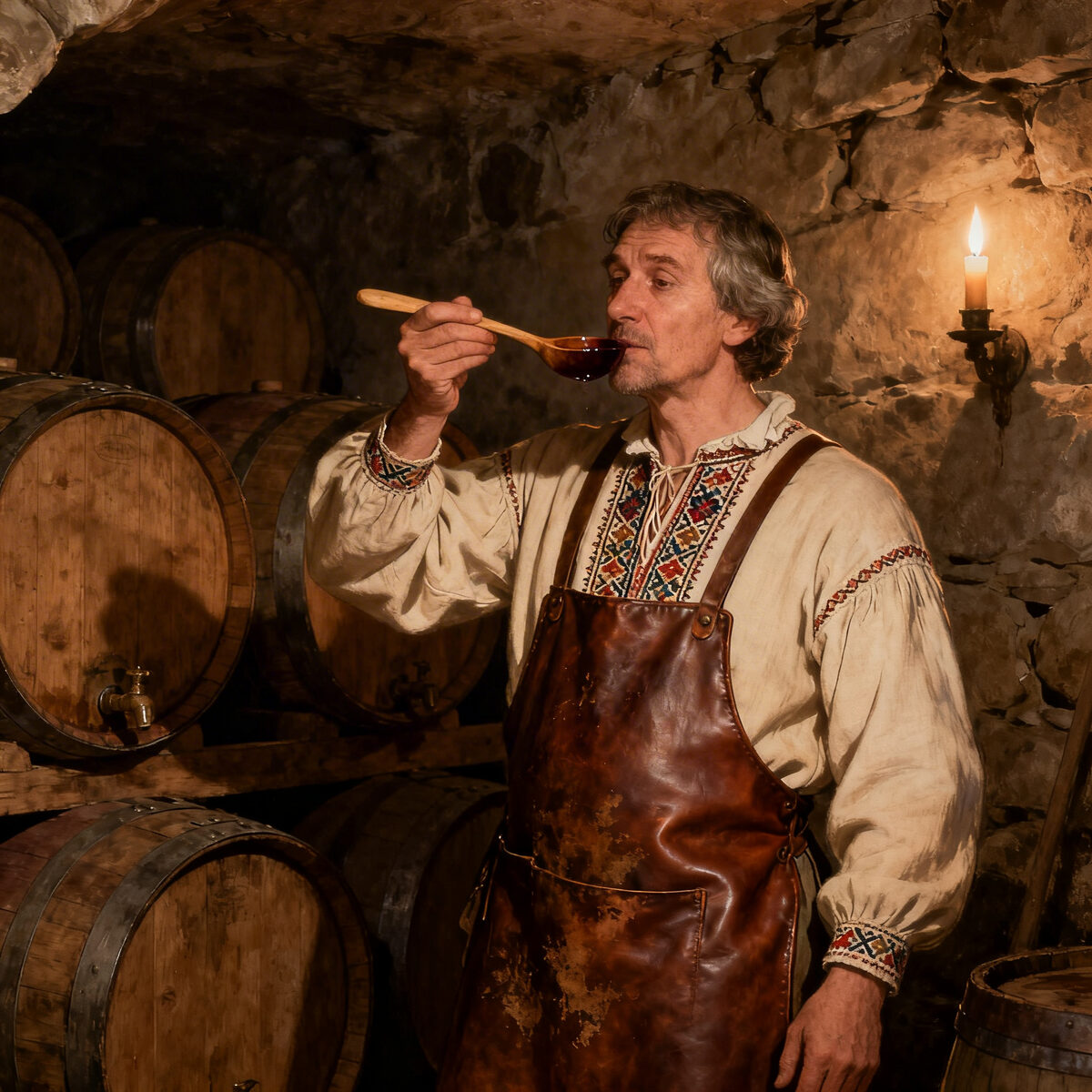
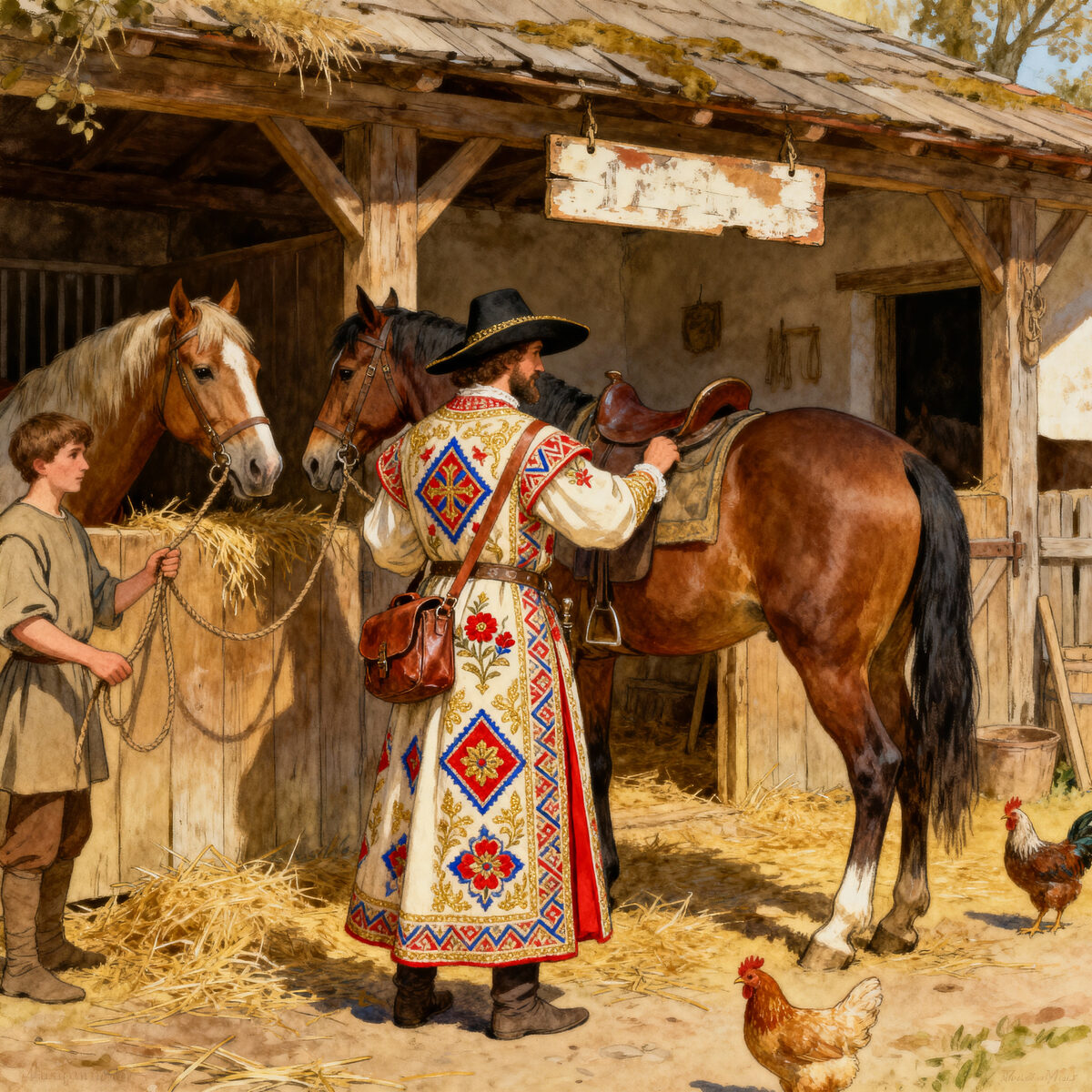
Hilltop villages of pale limestone, polychrome roof tiles laid in diamond patterns of green and red and black, and stone cellars cut into the slope where the wine ages. Sturdy and fair-haired, hands stained purple from the press and chalk-white from the cellar wall, they fill the glass before they hear the name and remember the year of every vintage their grandfather ever made.
Every vineyard in Burgundia has a climat — a named plot of earth whose soil and slope and weather have been studied by the same family for as long as anyone counts. The vigneron knows the climat the way a physician knows a long patient: what it wants in a wet year, what it can give in a dry one, when to read the yeast-bloom on the cellar stone and when to consult the constellation of the Plough. The vocabulary for any of this is in Burgundian. The Franconian clerks who came through to register the climats listed the names without ever understanding them.
The duchy was absorbed into Valdara when Neustria and Basileia welded together, and what is left of its courts meets in the old halls to debate sheep taxes and bridge repairs. The elaborate ducal tastings have been reduced to performances for visiting Karlingrad merchants. The Confrérie still initiates new members with oaths spoken over the tastevin, but fewer take the oath each year, because the middlemen in Karlingrad set the prices now and the oath does not cover wholesale.
In Grimmloch the Order of the Rubin Ross keeps the discipline the old Neustrian monastic-warrior orders kept, and a Burgundian vigneron will recognize the order’s vows as the same care the climat asks for, only sworn over a relic and a blade. The Dunraven Folk’s Jarnvarg treat as working knowledge what the Nibelungenlied taught you as case study: a Volva will read the wyrd threads of your bloodline, runes will bind an oath the way the tastevin only marks one, and the gold Hagen sank in the Rín never belonged to humans in the first place.
Reference Images
These images represent the visual direction for this region and were generated with OpenArt.
Grimmloch is an alternate reality — not a retelling of history. I have spent decades studying the stories of our own world so that each region feels grounded in something real, even when the fiction diverges. The map is not the territory. If I have, at any point, failed to honor the spirit of these cultures, please email me directly. I welcome the opportunity to address it.