Wendland
An Alternate Slavic Europe
Wendland is two countries inside one border. Birch forest fills the land between, deep enough that the next village is a day’s journey through trackless woods and the snow makes it two. The Sorbian families in the west have been navigating Valdaran paperwork for two generations; the Ruthenian villages in the east keep their own assembly and their own understanding of which laws are Valdara’s concern and which are not. North of the birch line, the Nenets live by the reindeer calendar and have never sent a representative to any Wendish assembly.
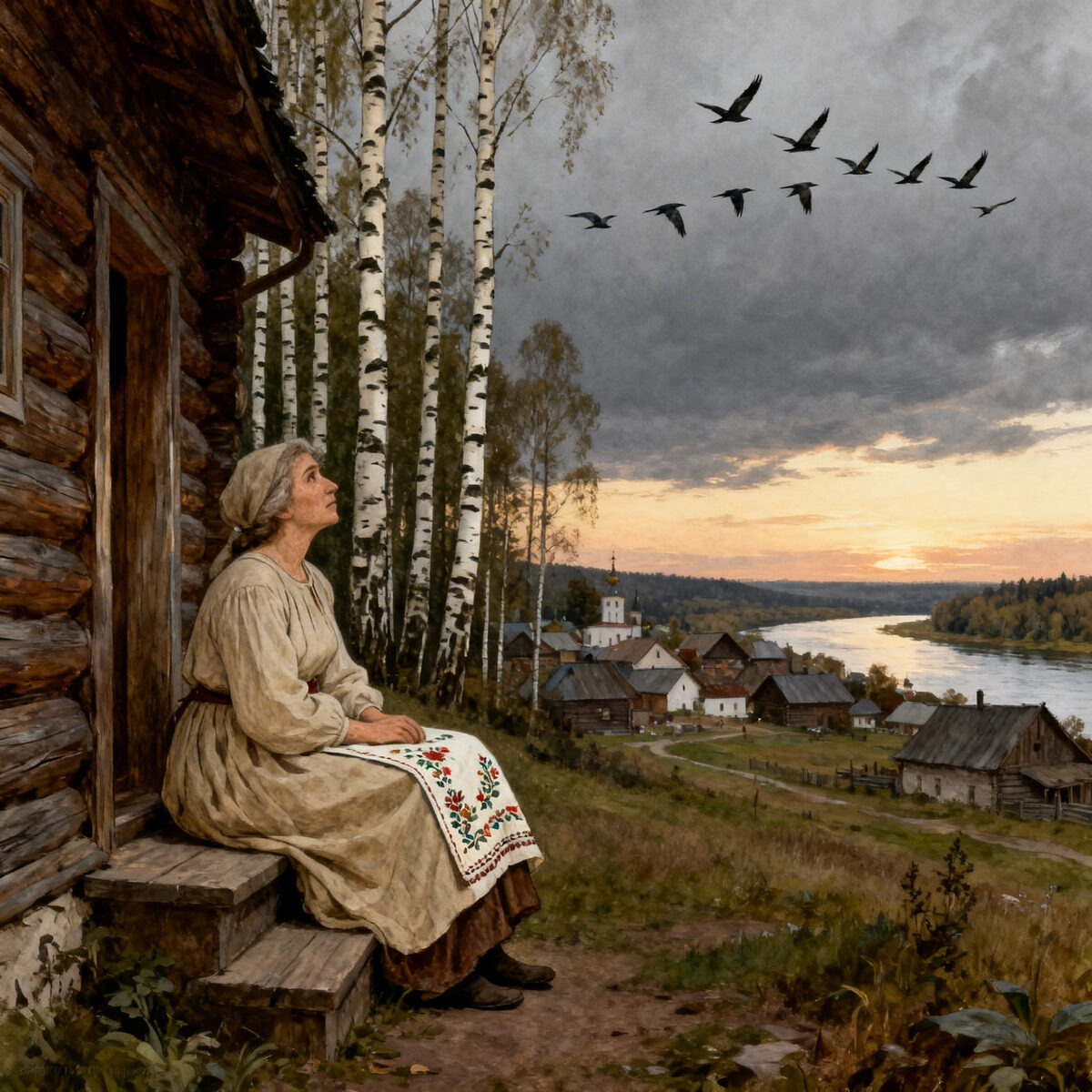
The cottages are low and wooden, with chimneys built short against the snow load and root cellars dug beneath the floors where cabbage and beets keep through the winter. At the village center stands the wooden church, painted saints on its inner walls and onion domes weathered dark above the roof. The bathhouse sits apart from the cottages in its own timber shed with its own chimney. At the village’s western edge a knee-high stone marks where the cleared land ends and the forest begins. Past the birch forest the country opens into bog-edge meadows and larch groves, where the Nenets pitch their skin tents in a half-circle around the trees when the herd comes south.
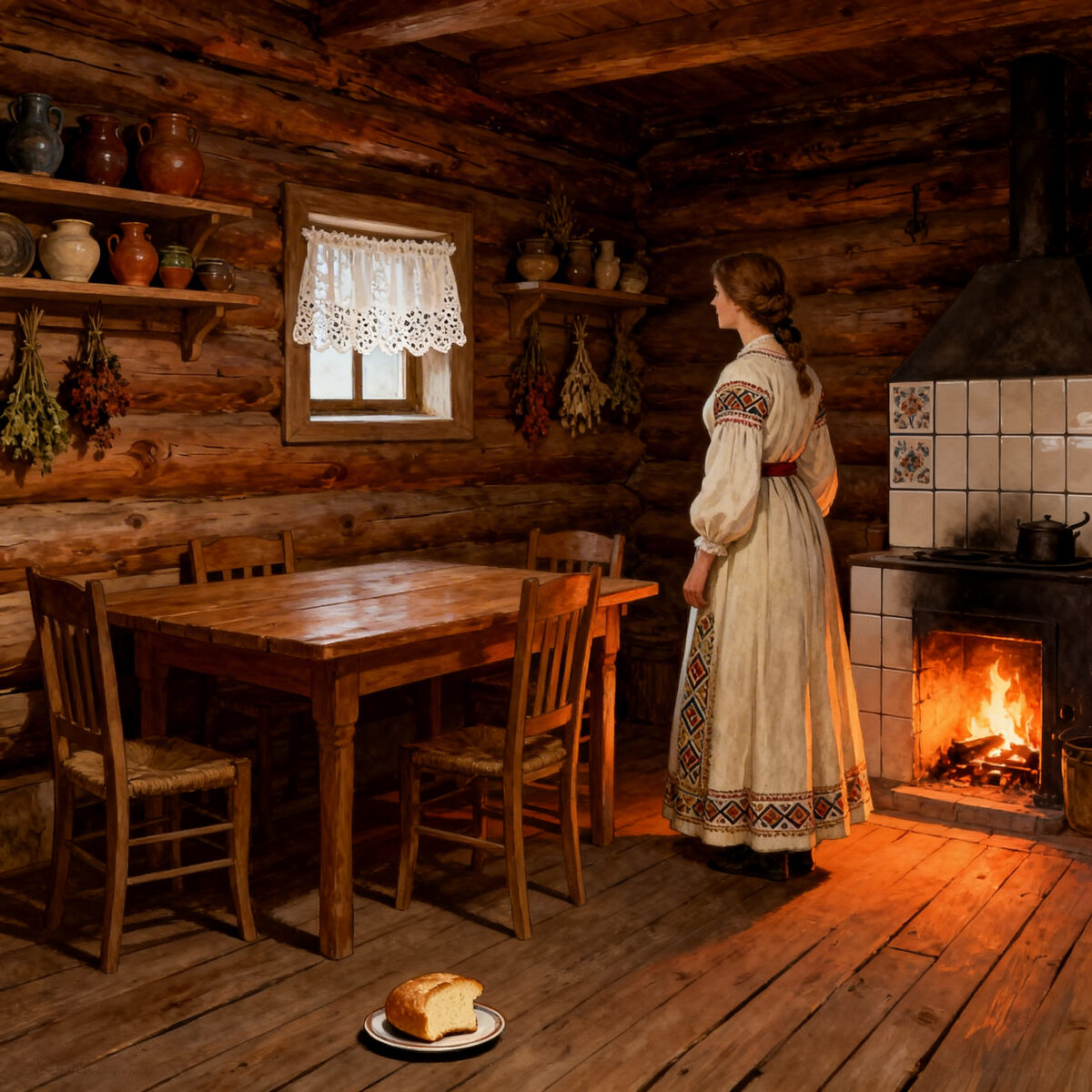
In every Wendish kitchen black bread is baked before dawn and a pot of shchi sits on the stove from the first frost. The cellar holds stone crocks of cabbage pickling since harvest, and jars of honey from the village apiary line the windowsills. The smith forges iron nails at the forge by the river, and the cooper builds barrels for the cabbage and the honey. On Saturday nights the village heats the bathhouse and bathes in shifts until midnight. Each generation a few sons leave for the seminary in Karlingrad and most do not come back. Once a year the reindeer herd arrives, and the villagers leave salt and iron nails on a flat stone at the meadow’s southern edge; by morning the salt is gone and there are bundles of dried fish and a small fur packet in its place.
The eastern corner of the kitchen has a wooden shelf where the eldest daughter sets a heel of black bread on Thursday nights. On Monday mornings she pours a finger of milk into a clay cup behind the stove and says good morning to the Domovoy, whom the household calls the Grandfather. The priest who comes at the Lighting sees the cup and does not mention it. One year a son back from the seminary called the practice peasant superstition and stopped setting the bread; within the month he was waking with bruises he could not account for, and the bread went back on the shelf.
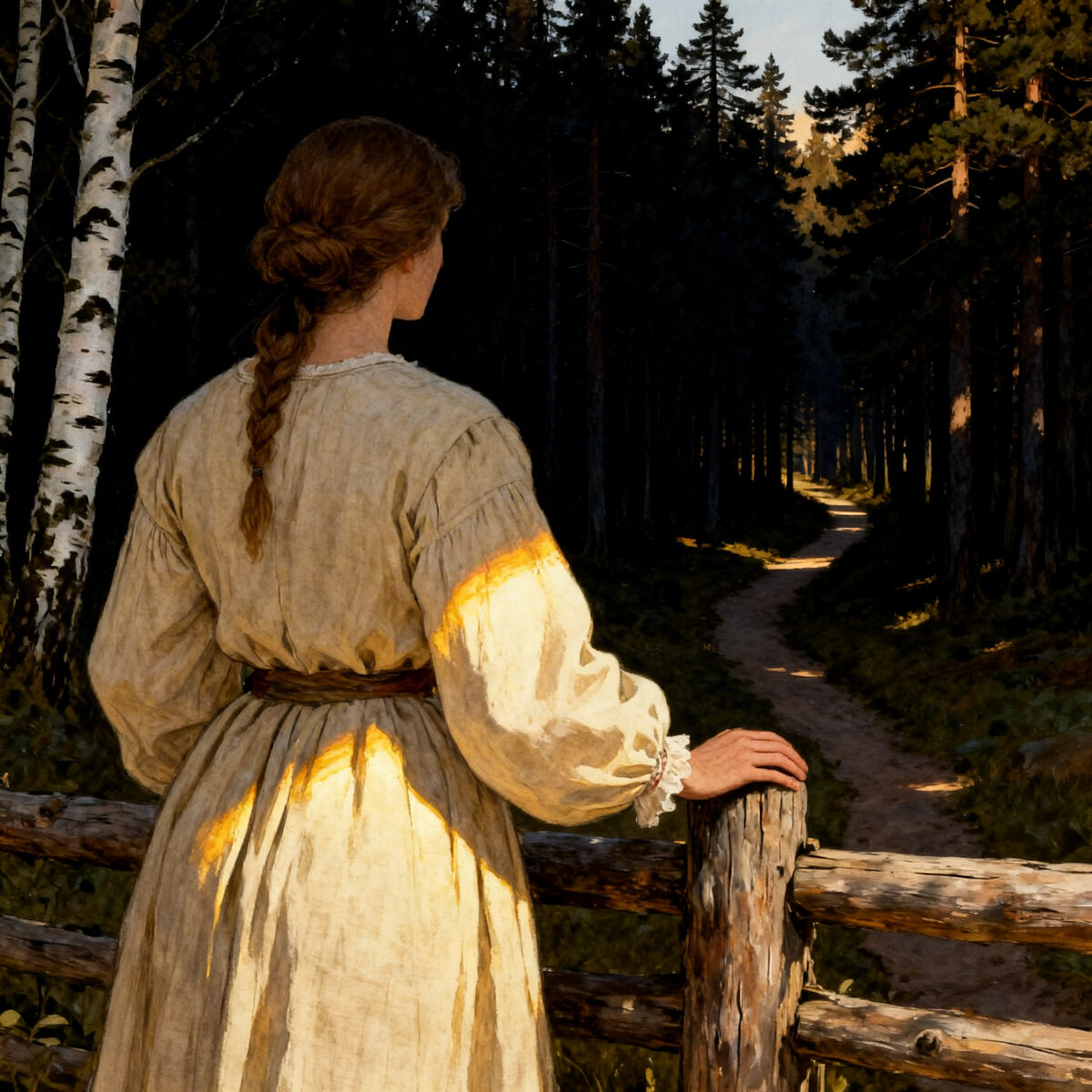
The woodcutter touches the top of the knee-high stone with his palm before he crosses into the forest, and the mushroom-foragers do the same. Wends teach their children that the forest belongs to a being they call the Leshy, and that a person lost should turn his coat inside out and sit on the nearest stump until he hears something he recognizes. The stone has been worn smooth on the top by two centuries of palms. During the migration the Nenets elder walks the larch grove every morning and ties a strip of cloth to one of the larches; the strips have been there since before any Wend now living was born.
The first deep snow falls one night in November. By morning the boundary stone is buried, the road to Karlingrad is impassable, and the Nenets’ meadow is empty. The country closes for the winter. In every cottage the doors are weighted shut against the wind, and the bread starter that has fed the household for three generations is fed again on the kitchen counter. Anyone who dies between the first snow and the spring thaw is laid in the cold room and waits for May, when the ground gives and the names are read aloud at the burial.
In Grimmloch the Dunraven Folk’s Borovichi hold their assembly in a birch-grove clearing, and a Ruthenian Wend who grew up touching the boundary stone before crossing into the forest and leaving milk behind the stove on Mondays arrives already knowing how the place works. The Aurelia Raed’s Hassel Hring train in a courtyard ringed by hazel trees, and a Sorbian Wend whose family has held to a handshake longer than they have held to any document finds the Hring’s word-as-bond is the same word she grew up with.
Reference Images
These images represent the visual direction for this region and were generated with OpenArt.
Grimmloch is an alternate reality — not a retelling of history. I have spent decades studying the stories of our own world so that each region feels grounded in something real, even when the fiction diverges. The map is not the territory. If I have, at any point, failed to honor the spirit of these cultures, please email me directly. I welcome the opportunity to address it.